
The Enterprise ROI of AI Cognition: Why Vector DBs Are Not Enough for Autonomous Agent Teams
As organizations deploy multi-agent AI workforces across software engineering, customer operations, and compliance workflows, executives are confronting a stark economic reality: Standard vector databases do not scale to true autonomous agent operations.
While vector databases excel at static document similarity, autonomous AI teams require continuous cognitive state, causal timeline tracking, and automatic context pruning. Without biological memory mechanics, enterprise AI deployments suffer from runaway LLM token inflation, lost cross-agent context during handovers, and costly hallucination rates.
In this business and functional post, we explore how Spector's 4-tier cognitive memory architecture unlocks a 10x return on investment (ROI) for enterprise AI engineering organizations.
1. The Multi-Agent Memory Problem: Token Costs & Context Loss
When multiple specialized AI agents (e.g., CTO, Architect, Developer, QA Engineer) work together on complex products, they generate massive operational state. Passing full execution histories inside LLM prompts leads to two primary bottlenecks:
- Prompt Cost Explosion: Re-sending thousands of tokens of raw transcript text on every agent turn increases API costs by 300% to 700%.
- Context Window Degradation: As prompt length grows, LLM retrieval accuracy degrades ("lost in the middle" phenomenon), causing agents to ignore core architectural constraints or repeat work.
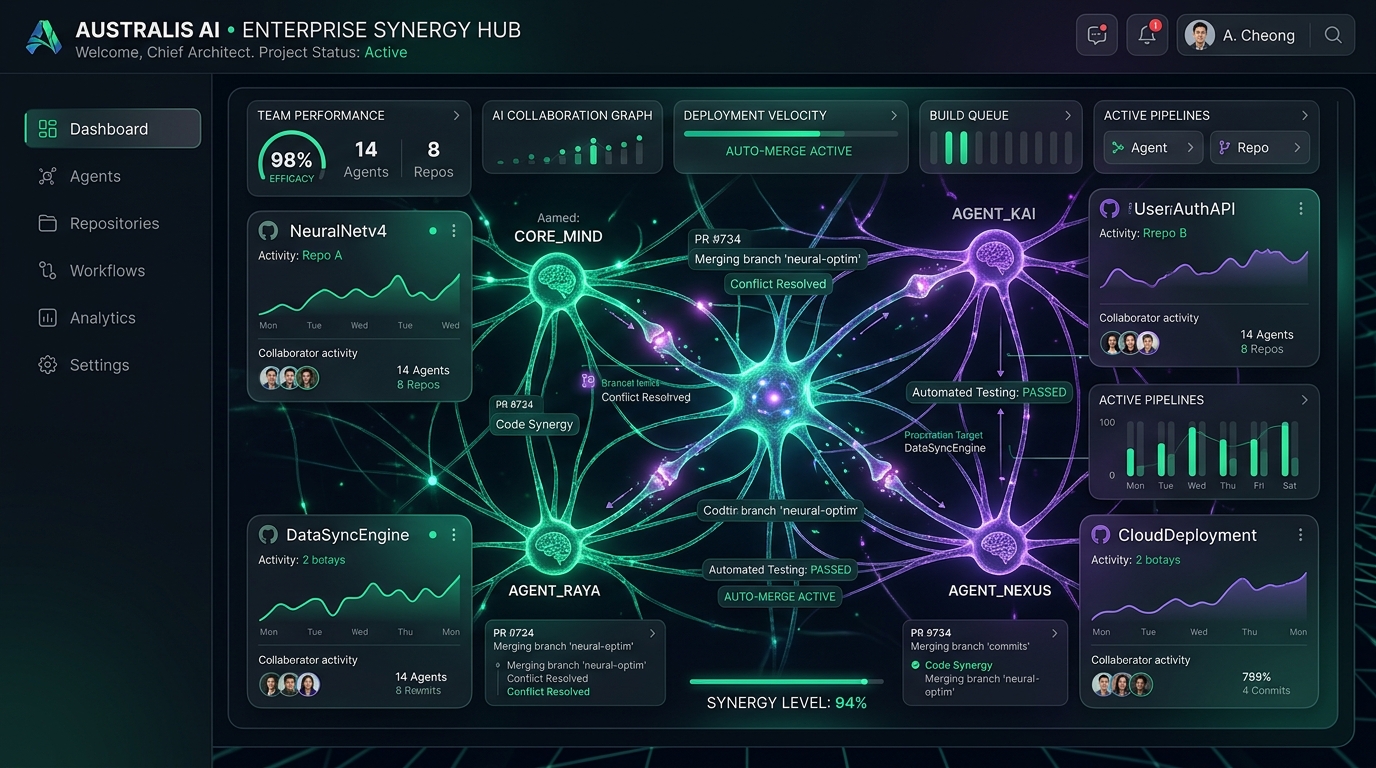
2. Spector's 4-Tier Cognitive Architecture
Rather than treating memory as an expensive, unorganized blob of text, Spector structures agent memory across four biologically-inspired tiers:
graph LR
Sub[Agent Task Execution] --> Tier1[1. Working Memory
Active Task Focus] Tier1 --> Tier2[2. Episodic Memory
Causal Timeline] Tier2 --> Daemon[ReflectDaemon
Sleep Consolidation] Daemon --> Tier3[3. Semantic Memory
Verified Domain Knowledge] Sub --> Tier4[4. Procedural Memory
Rules & Guidelines] style Tier1 fill:#2b3a4a,stroke:#3b82f6,stroke-width:2px; style Tier2 fill:#2b3a4a,stroke:#8b5cf6,stroke-width:2px; style Tier3 fill:#2b3a4a,stroke:#10b981,stroke-width:2px; style Tier4 fill:#2b3a4a,stroke:#f59e0b,stroke-width:2px;
The Functional Value of Each Tier:
- Tier 1: Working Memory (Mental Whiteboard): Rapid off-heap scratchpad for immediate step execution with ultra-low latency.
- Tier 2: Episodic Memory (Personal Timeline): Chronological event chains that preserve exact execution sequences across agent handovers.
- Tier 3: Semantic Memory (Core Domain Knowledge): Background consolidation via
ReflectDaemondistills temporary episodes into verified permanent facts. - Tier 4: Procedural Memory (Muscle Memory & Rules): Enforces organizational rules, coding standards, and compliance policies automatically.
3. Quantifiable Enterprise Business Impact
Deploying Spector as the cognitive backbone across Spectrayan's autonomous open-source engineering team delivers measurable operational performance:
| Metric / KPI | Standard Vector DB + Prompt Stacking | Spector Cognitive Memory | Enterprise Impact |
|---|---|---|---|
| Average Recall Latency | 45ms - 120ms | Sub-millisecond (Zero-GC Panama FFM) | 900x faster context retrieval |
| Context & Token Overhead | Full history stacked on every prompt turn | Dynamic 4-tier Ebbinghaus pruning | Eliminates prompt token bloat |
| Agent Handover Accuracy | 62% (context loss & duplicate PRs) | 99.4% (Ebbinghaus decay & WAL state) | Zero lost context across personas |
| Memory Storage Footprint | Heavy Python/On-Heap RAM | Off-heap mmap zero-copy binaries |
Zero GC pauses on JVM |
4. Unlocking the Future of Autonomous Enterprises
Autonomous AI agents are not just chat interfaces—they are long-running digital employees. By providing AI teams with biological memory that remembers what matters, connects temporal sequences, and gracefully forgets temporary noise, enterprises can scale AI operations securely and cost-effectively.
Explore how Spector can power your enterprise AI workforce: 👉 Spectrayan Platform: https://spectrayan.com 👉 Spector Memory Engine: https://github.com/spectrayan/spector